Go to the page content

Get Ready!
for a Blessed Hajj Journey

The Journey of Faith, Strength, and Peace

sitting-under-umbrella

Imagine yourself standing during Hajj, surrounded by millions of pilgrims, all moving together from one sacred ritual to the next under the open sky. Every step carries meaning, every moment is filled with purpose, and your body helps you move through every moment of this journey with strength and resilience.

To truly be present in this journey, your body needs to support you and give you the energy to keep going and fully experience the spiritual significance of every moment. This is where taking care of your health becomes your quiet strength.
Pre-Hajj Tips: Your Journey Begins Before You Arrive

As you prepare your soul for this experience, prepare your body as well. Simple steps taken today can make a meaningful difference, helping you to stay focused on what truly matters throughout every ritual.

Be Safe & Ready

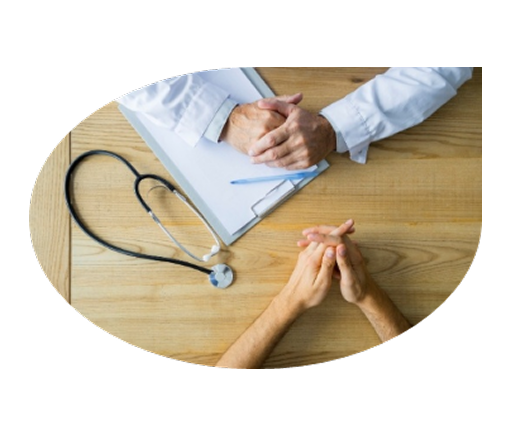
A visit to your doctor can help ensure you are ready, especially if you have any existing medical conditions.

doctor-patient-discussion

Remember to:

  • Consult your physician for a travel health assessment.1,2
  • Review and organize your current medications and medical history documentations.2
  • Carry enough medication to last throughout your journey.2

Do not forget to stay up to date with all required vaccinations as recommended by the Saudi Ministry of Health, to protect you and other pilgrims during this shared experience.1,2

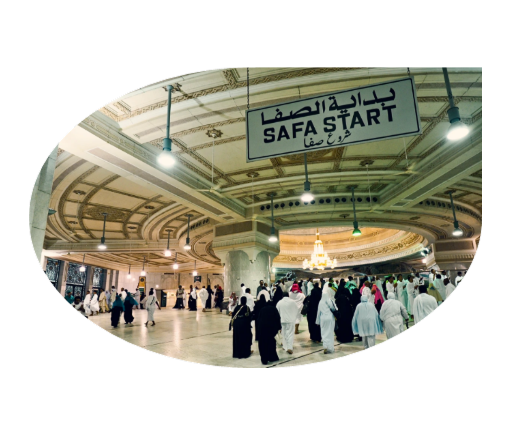
safa start

Train Your Steps

Hajj is a journey of nearly 45 km walk.3 Where each step is a step closer to Allah’s forgiveness, filled with devotion and worship. Preparing your body ahead of time can make this experience much more comfortable and smooth.

Be more ready by creating a simple walking routine:3,4

  • Begin with 20–30 minutes a day, a few times per week.
  • Gradually increase your walking time to 1–2 hours.

This steady preparation helps your body adapt, making each step during Hajj feel lighter and more manageable.

Fuel Your Body for the Journey

The way you eat and hydrate now can shape how strong, energized, and comfortable you feel during your journey.


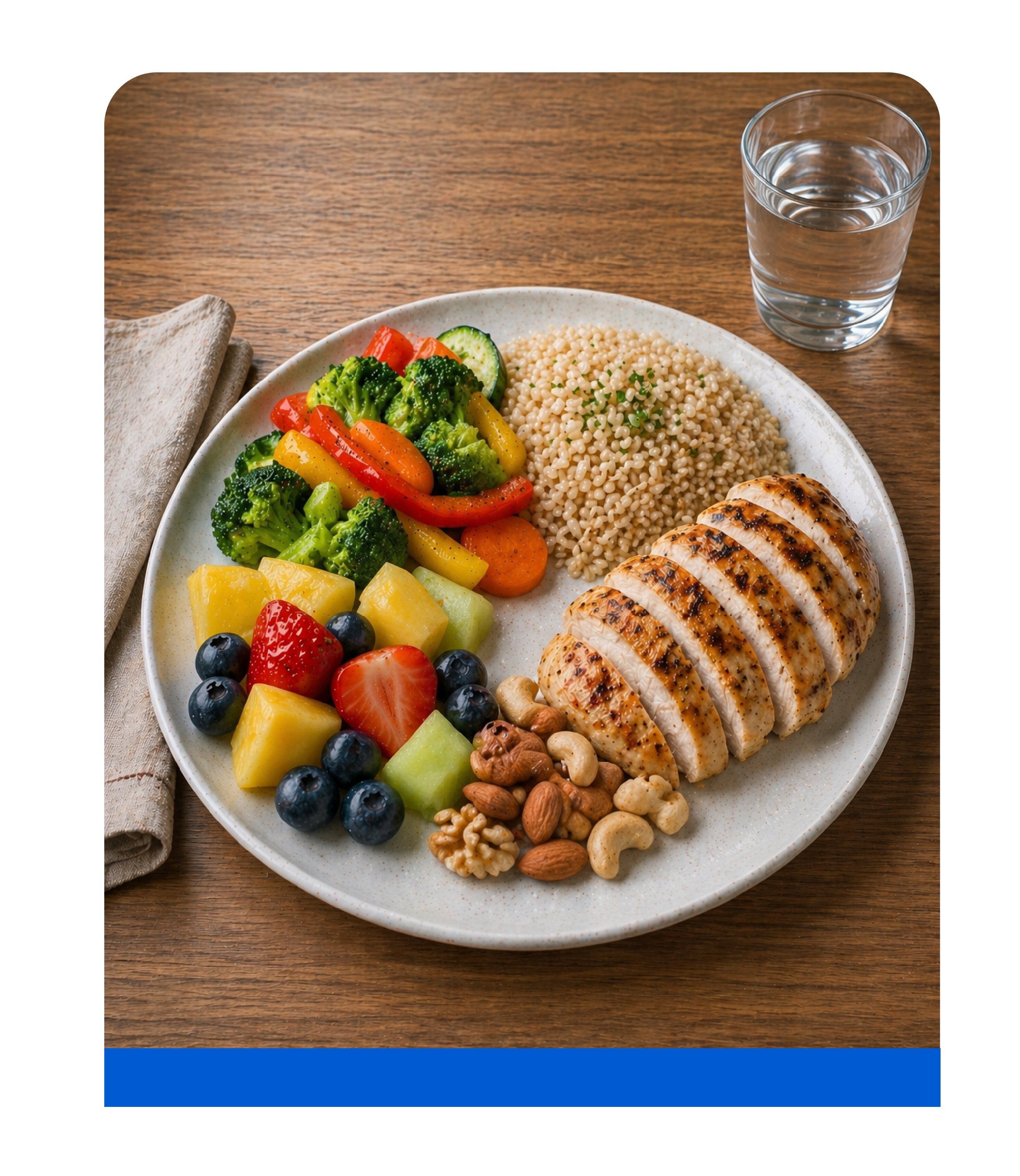
Focus on healthy choices:3-6

clock-plate
  • Eating balanced meals that include essential nutrients and electrolytes
    • Use healthier oils like olive oil, and try to limit butter
    • Fill your plate with more vegetables, the more variety, the better (and remember, not all potatoes count)
    • Enjoy fruits of different colours to nourish your body with natural vitamins
    • Include whole grains like whole wheat bread, brown rice, and whole grain pasta
    • Go for lighter protein options such as beans, and nuts
    • Try to limit red meat, cheese, and processed foods


driniking enough water
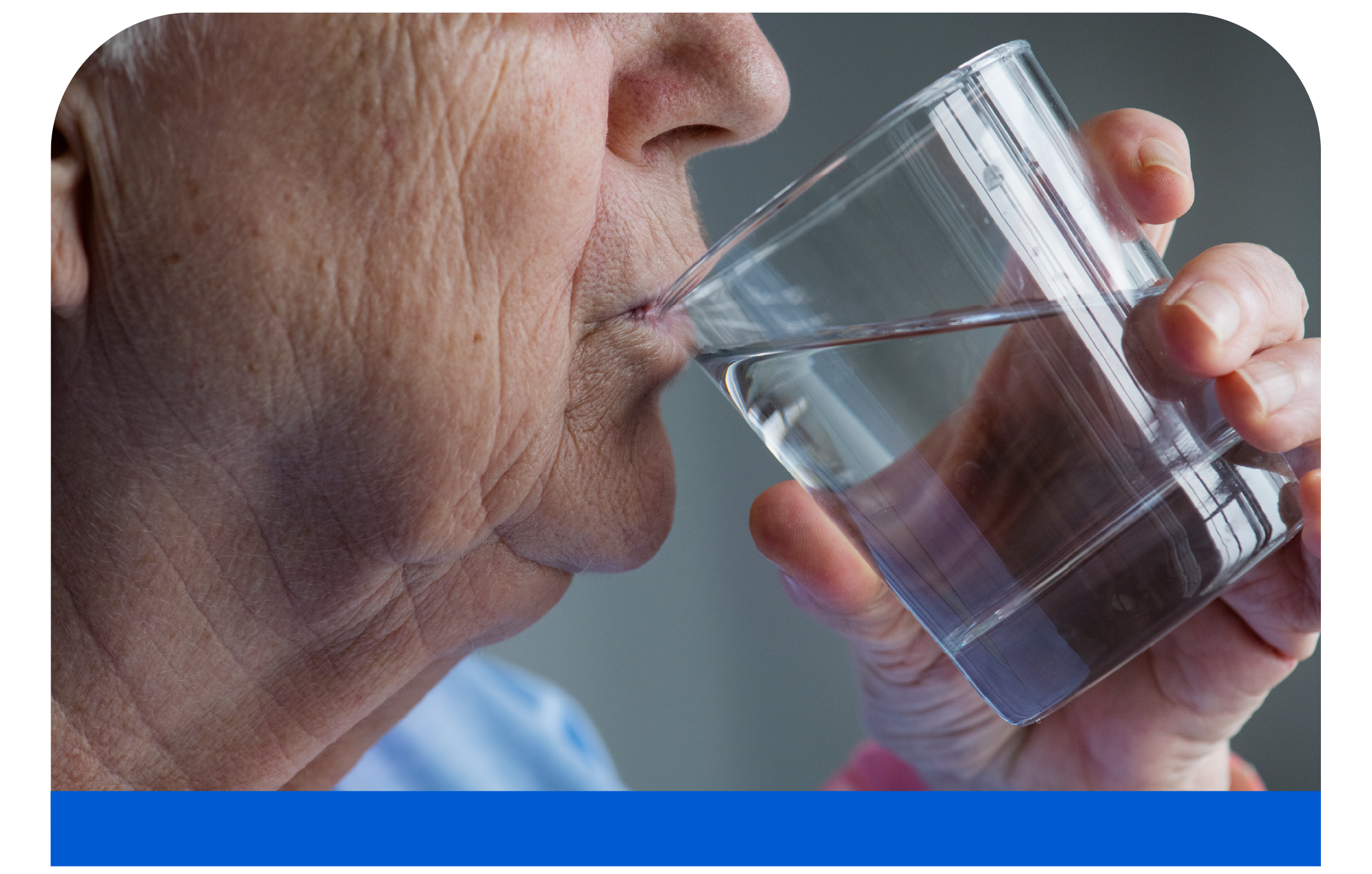
  • Drinking enough water daily to stay well hydrated6

Water (1.5–2.0 L/day or ~8 glasses) is recommended as the main source of hydration. These small habits can make a big difference, helping you feel energized throughout your journey.

Take the First Step Toward a Healthier You

If you are thinking about losing weight, this is the right time to start.

Medical support:7

  • Your doctor can be your best guide; Ask him about weight loss medications.
  • Consult your doctor to determine the right dose and ensure safe and effective use.
  • Seek guidance on a personalized plan that suits your health condition.

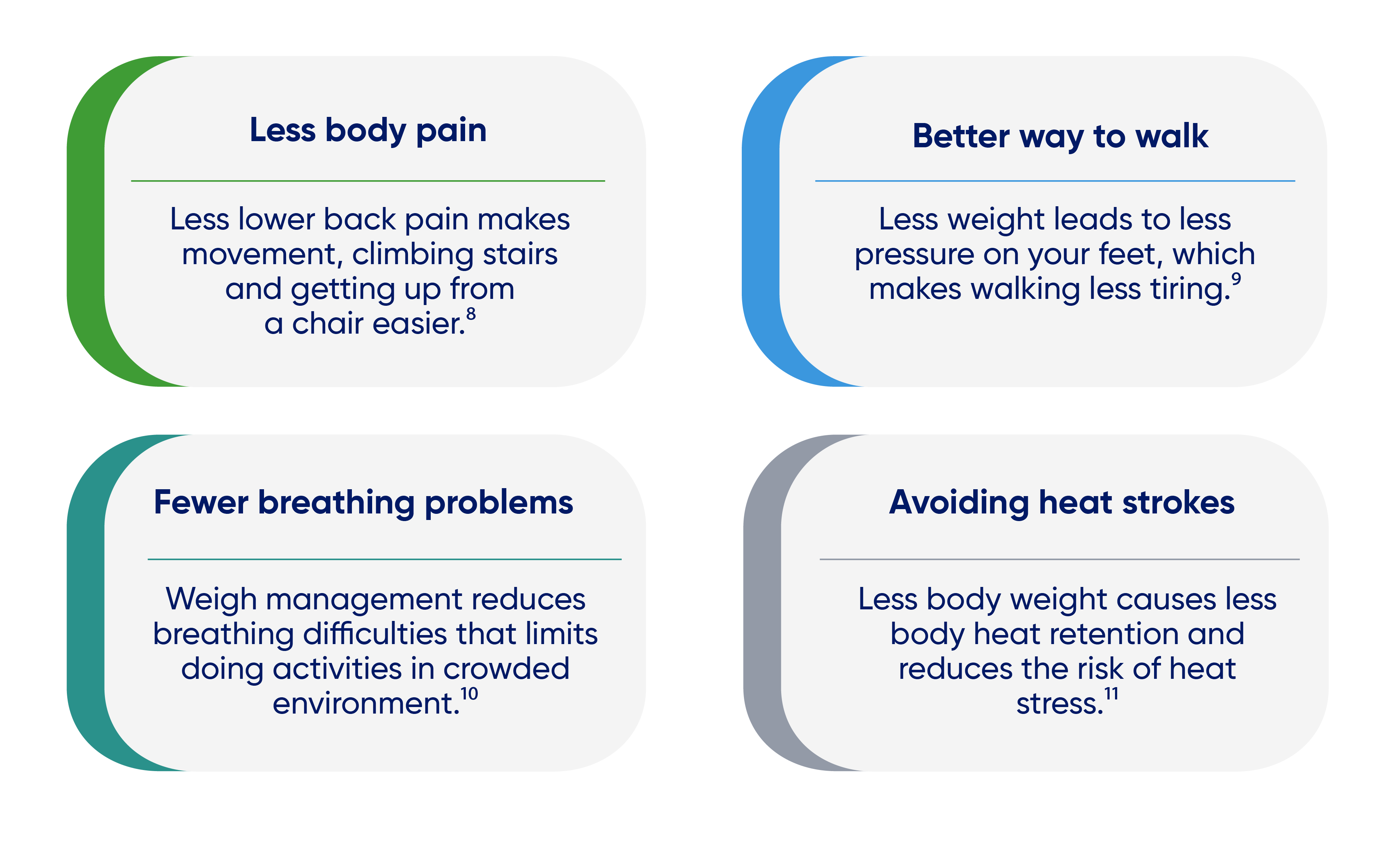
A healthier weight can help you move easier, feel better, and enjoy benefits like:

less-body-pain

During-Hajj Tips: Your Journey Continues with Care

Now that you’ve prepared your body, it’s time to step into Hajj with confidence. Ready to embrace every meaningful moment of this incredible journey.

collecting-best-food

Eat with Care, Stay Strong4

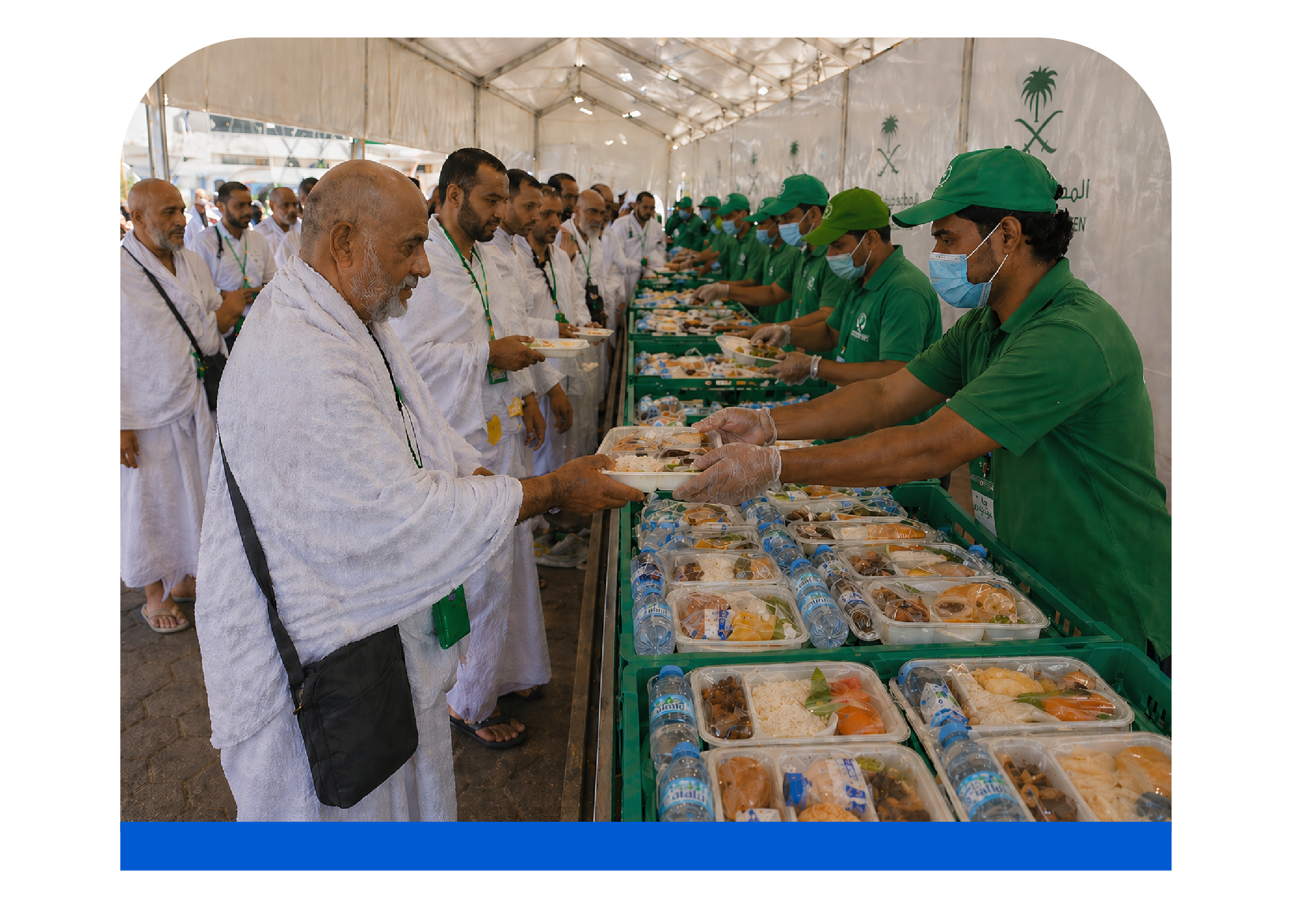
  • Choose food from safe and trusted sources.
  • Try to stick to well cooked meals.
  • Nourish your body with fruits and vegetables daily, as they support digestion. They are also rich in essential vitamins that strengthen the immune system and help protect the body against illness.

Stay Consistent with Your Care4

Remember to take your prescribed medications regularly, as maintaining your routine is key to staying well and avoiding unnecessary complications during your journey.


Hydrate to Keep Moving4,5


hydrate to water
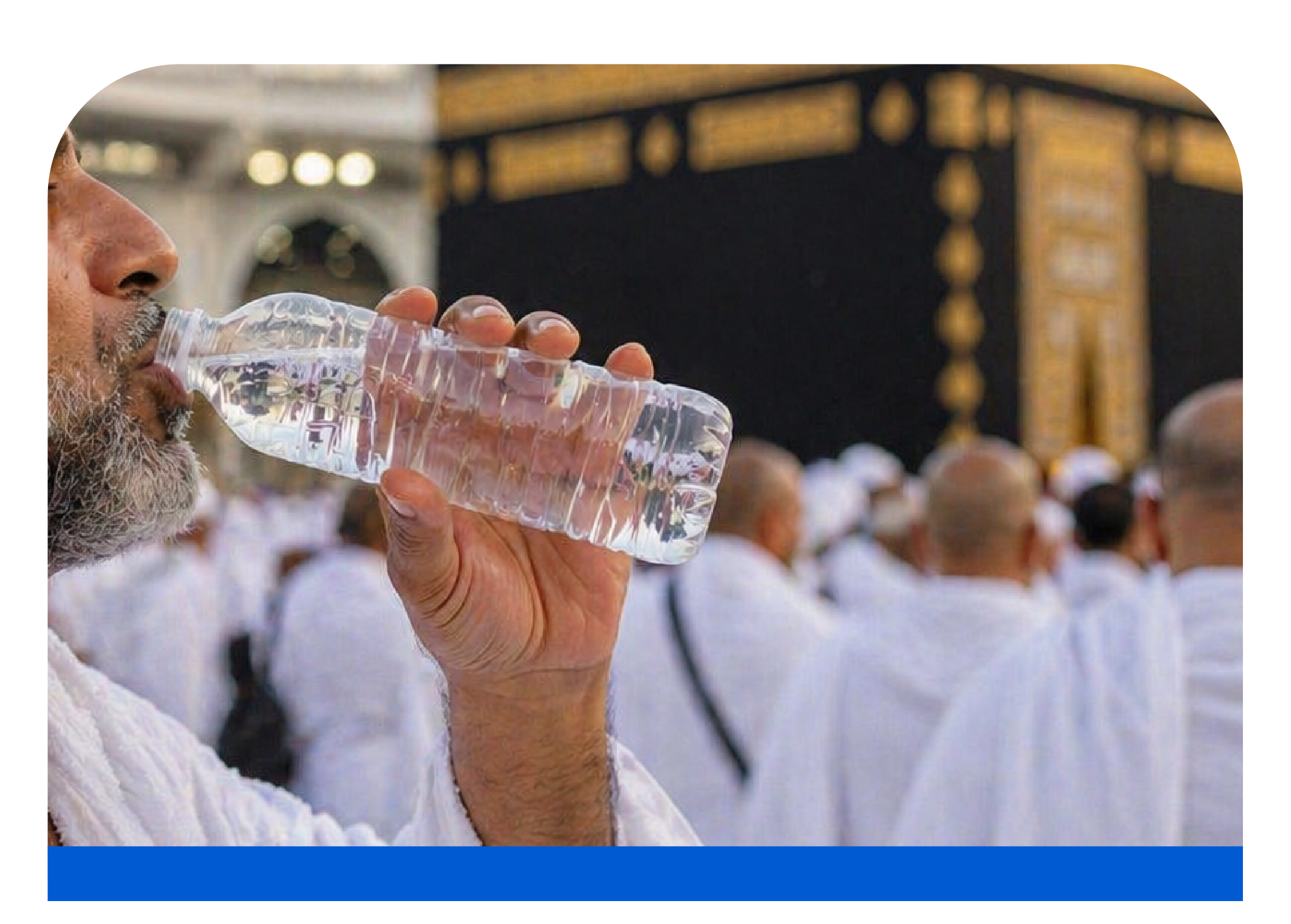
  • Stay well hydrated by drinking enough fluids, particularly water, to compensate for the fluid loss during Hajj. It is also advisable to limit soft drinks, as they contain high levels of sugar.
  • It is advised to drink 1 cup of water every 15 to 20 minutes  to stay hydrated.
  • Try to limit sugary drinks, as they may leave you feeling more tired and less hydrated.

Your Takeaway for a Blessed Hajj

Preparing your body is not about appearance, it is about honouring this journey. When you nourish yourself, stay active, and build your stamina, or even attempt to lose some weight, you are giving yourself the ability to perform the rituals safely, comfortably, and with full devotion. Your health becomes a support system that allows your heart and soul to focus on what truly matters.


Hajj mabroor wa sa'ay mashkoor!

References:
  1. https://www.cda.gov.sg/resources/health-advisory-for-haj-pilgrims--may-2025-/
  2. WHO EMRO – Umrah and Hajj, https://www.emro.who.int/cpi/programmes/umrah-hajj-safety.html
  3. CDC Yellow Book: Health Information for International Travel.
  4. Hajj guide_EN – Dubai Health Authority
  5. World Health Organization. Healthy diet. Geneva: WHO; 2020. Available from: https://www.who.int/news-room/fact-sheets/detail/healthy-diet
  6. Cena, H., & Calder, P. C. (2020). Defining a Healthy Diet: Evidence for The Role of Contemporary Dietary Patterns in Health and Disease. Nutrients12(2), 334. https://doi.org/10.3390/nu12020334
  7. Jeon E, Lee KY, Kim KK. Approved Anti-Obesity Medications in 2022 KSSO Guidelines and the Promise of Phase 3 Clinical Trials: Anti-Obesity Drugs in the Sky and on the Horizon. J Obes Metab Syndr. 2023 Jun 30;32(2):106-120. doi: 10.7570/jomes23032. Epub 2023 Jun 23. PMID: 37349257; PMCID: PMC10327684.
  8. Dunlevy, C., MacLellan, G. A., O'Malley, E., Blake, C., Breen, C., Gaynor, K., Wallace, N., Yoder, R., Casey, D., Mehegan, J., Fullen, B. M., & O'Shea, D. (2019). Does changing weight change pain? Retrospective data analysis from a national multidisciplinary weight management service. European journal of pain (London, England), 23(8), 1403–1415. https://doi.org/10.1002/ejp.1397
  9. Song, J., Kane, R., Tango, D. N., Veur, S. S., Furmato, J., Komaroff, E., & Foster, G. D. (2015). Effects of weight loss on foot structure and function in obese adults: a pilot randomized controlled trial. Gait & posture41(1), 86–92. https://doi.org/10.1016/j.gaitpost.2014.08.013
  10. Santana, A. N., Souza, R., Martins, A. P., Macedo, F., Rascovski, A., & Salge, J. M. (2006). The effect of massive weight loss on pulmonary function of morbid obese patients. Respiratory medicine100(6), 1100–1104. https://doi.org/10.1016/j.rmed.2005.09.021
  11. Speakman J. R. (2018). Obesity and thermoregulation. Handbook of clinical neurology156, 431–443. https://doi.org/10.1016/B978-0-444-63912-7.00026-6
GC26OB00018