Obesity Care
|
4 min. read
Getting medical interventions
Many people with obesity do not get an obesity diagnosis and treatment from healthcare providers. Find out what you can do to get the help you need.
We have detected that you are located in . Do you want to switch to the local site?
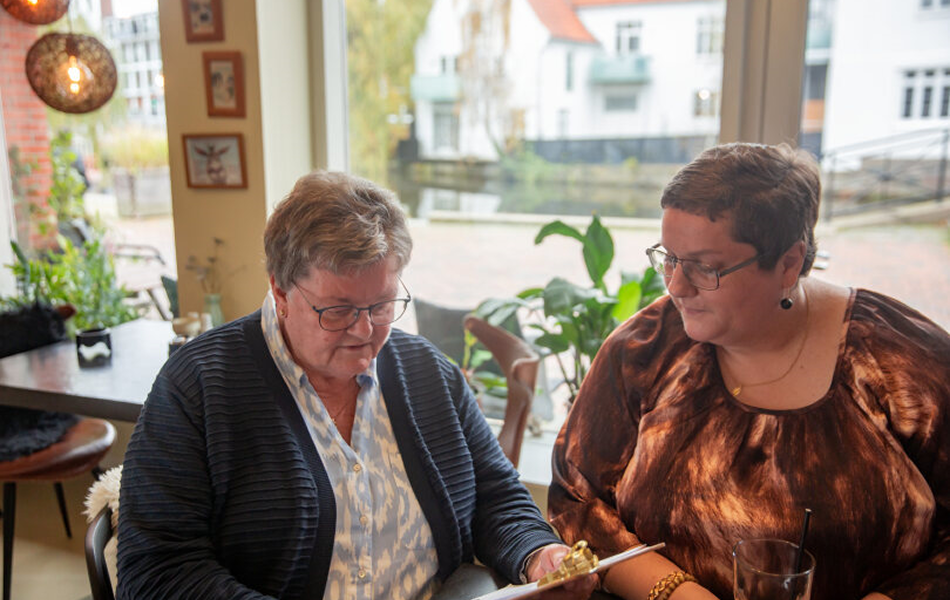
Birthe Christiansen & Nova Bjerregard Living with Obesity, Denmark
Knee pain isn’t just a statistic; it’s a daily reality for millions of people. If you have ever experienced knee pain often presenting as burning, tingling, numbness and pins and needles you may be suffering from knee osteoarthritis (OA) symptoms, and it may be linked to obesity. In fact, adults living with obesity have an almost threefold higher risk of developing severe knee pain compared to those with a BMI in the “normal weight” range. This kind of pain can start as a weight-bearing pain and develop into a persistent, long-term pain. This article explores how living with obesity can affect your knees, and where to find support.
Women report more commonly occurring and higher levels of knee OA pain than men. But why does this happen? Hormones! During the menopause oestrogen (female reproductive hormone) levels decline. These hormonal changes can cause changes in body composition, which includes an increase in abdominal stomach fat. This is why more post-menopausal women are living with obesity compared to pre-menopausal women, and women living with obesity have nearly 4 times the risk of knee OA compared to women within the normal weight category.
Early research shows that weight management can greatly reduce knee pain for people with knee OA, especially in women living with obesity. In fact, in some instances losing 5 kilograms of body weight can cut the risk of knee OA in women by more than half. In the long-term, losing 10% of body weight can not only reduce pain and improve knee mobility but can bring other health benefits, and boost overall physical wellbeing.
Knee OA and pain can make it more difficult for people living with obesity to participate in activities that can support weight management. It is important to work with a doctor to support mobility and physical activity regimes that are suitable for individual lifestyles and needs. Physical activity is encouraged to improve knee pain, but this should be achieved in a controlled and gradual way as intense physical stress can have the opposite effect. If you are concerned about the part menopause may be playing in your weight gain or knee pain, speak to a doctor to explore your treatment options. Improved mobility can not only reduce pain but also improve your ability to perform daily tasks such as climbing the stairs or playing with your children, and most importantly regain your confidence. Want to continue to learn more about obesity and knee pain? Click here.
HQ25CO00008