Go to the page content

Fuel Your Weight Loss Journey:

doctors

Diet and Lifestyle Tips for GLP-1 Success.

Woman speaking to doctor

Starting your weight loss journey with GLP-1 medications and overwhelmed by all the information out there about what to eat? You might even be wondering:
Can I still enjoy my favorite foods and see results, or do I need to drastically change my diet?

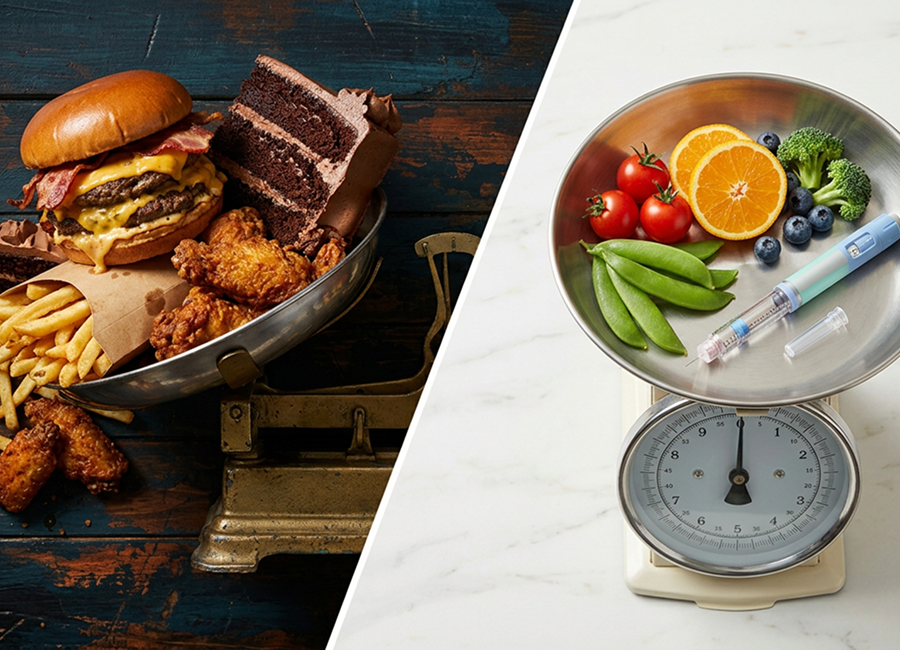
The truth is, it is not about extremes, it’s about healthy choices. What should you include in your diet? What is better to limit? And what simple lifestyle changes can help your medication work at its best?

Small, manageable changes can make a big difference in your weight-loss journey.


sitting-under-umbrella

How Does GLP-1 Medications Act on Your Body?

Weight loss medications don’t all work the same way. For GLP-1 medications, they act on different parts of the body, helping to control appetite and slow digestion so you feel full for longer. GLP-1 medications act on the hunger center in your brain to lower the urge to snack or overeat.1-3
 

Remember that:4,5

Reduced appetite can lead to nutritional gaps, but a healthy, balanced diet fills those gaps and supports your journey.

  • Healthy diet ensures you get essential vitamins like A, C, D, E, K, and B-complex, keeping you energized and your immune system strong.
  • It prevents iron and calcium deficiencies, giving you healthy skin, strong hair, and resilient bones.
  • A healthy diet also helps preserve lean muscle mass, ensuring you lose fat without sacrificing strength or tone.

GLP-1 medications help reduce appetite, but they don’t replace the nutrients your body needs for overall health. That’s why a balanced diet is crucial to ensure you’re getting essential vitamins and minerals.

5 Diet Tips to Maximize the Benefits of GLP-1 Medications

While you’re on GLP-1 medications, you will need to maintain healthy nutrition and lifestyle habits to maximize the benefits and boost the efficiency of GLP-1 therapy for weight reduction.
 

Prioritize Protein: Preserve Your Muscle Power

sitting-under-umbrella

Muscles aren’t just for bodybuilders, they support your joints, improve posture, and make everyday activities, like carrying groceries or climbing stairs, feel effortless. Without enough protein, you risk losing muscle along with fat.4-6

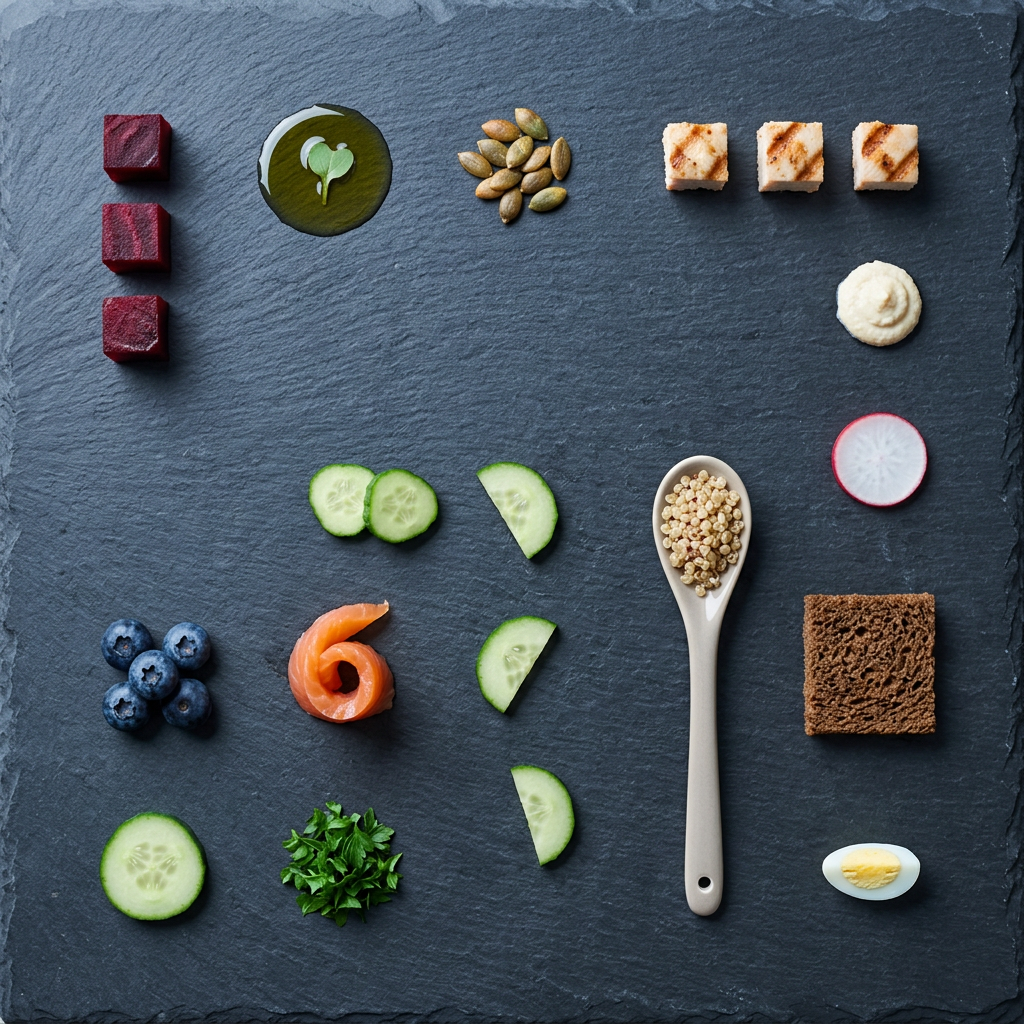
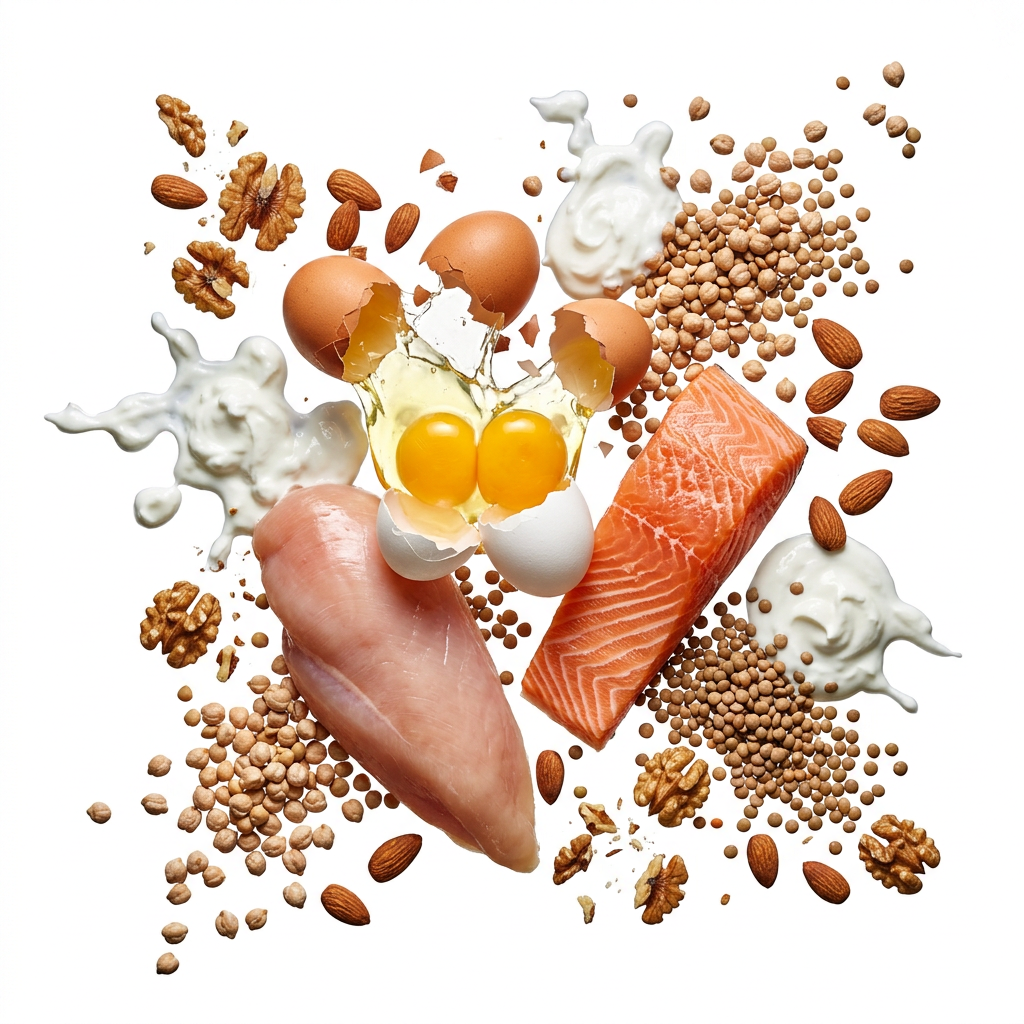
To keep your muscles strong, include good sources of protein in your diet, such as lean meats (chicken, turkey), fish, eggs, tofu, and legumes. Do not depend on processed meats high in fat and sodium, like sausages and mortadella, as they can work against your goals.4

Tip: Aim for 1.2 – 2.0 grams of protein per kilogram of body weight daily to help preserve muscle and keep your body working at its best.6,7


Remember Your Fibers for Gut Health

Fiber helps control appetite, supports digestion, and stabilizes blood sugar levels. It can also help prevent constipation, a common side effect of weight loss medications.6
 

sitting-under-umbrella

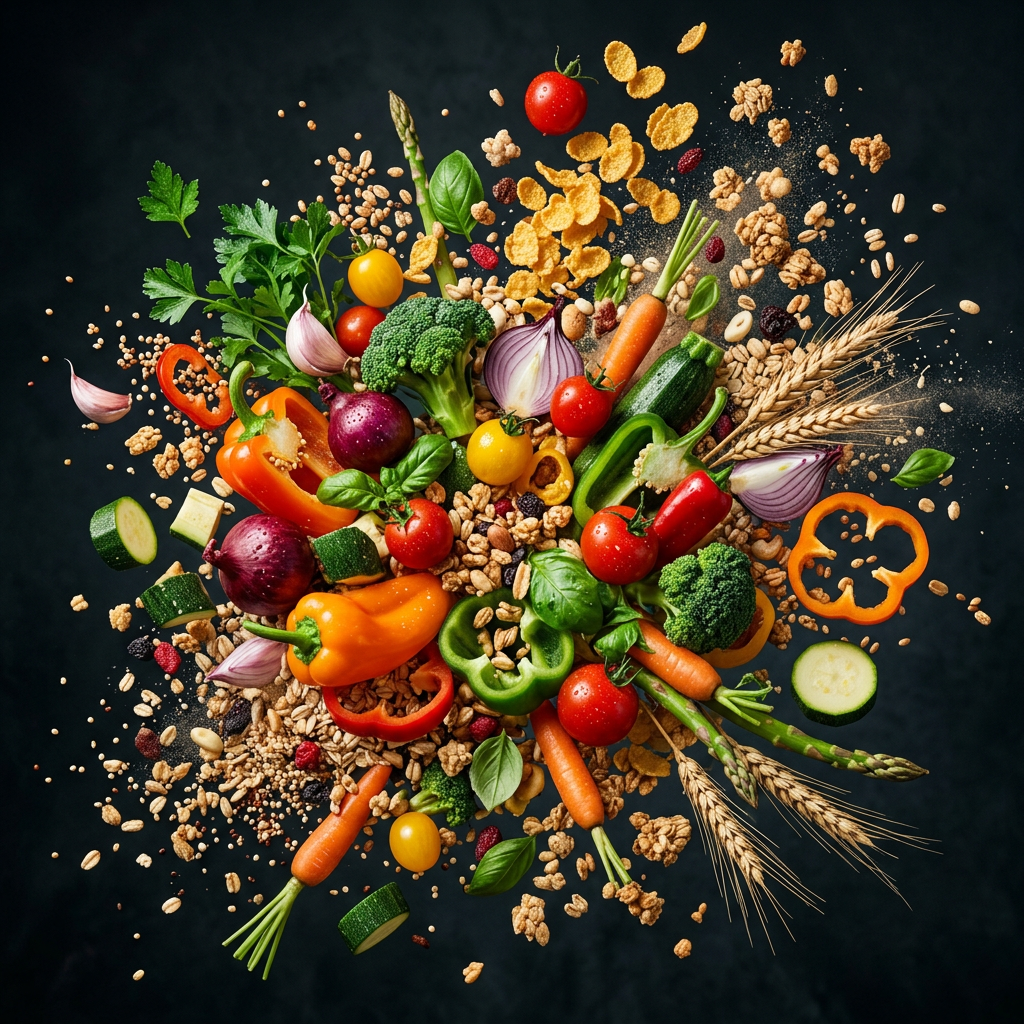
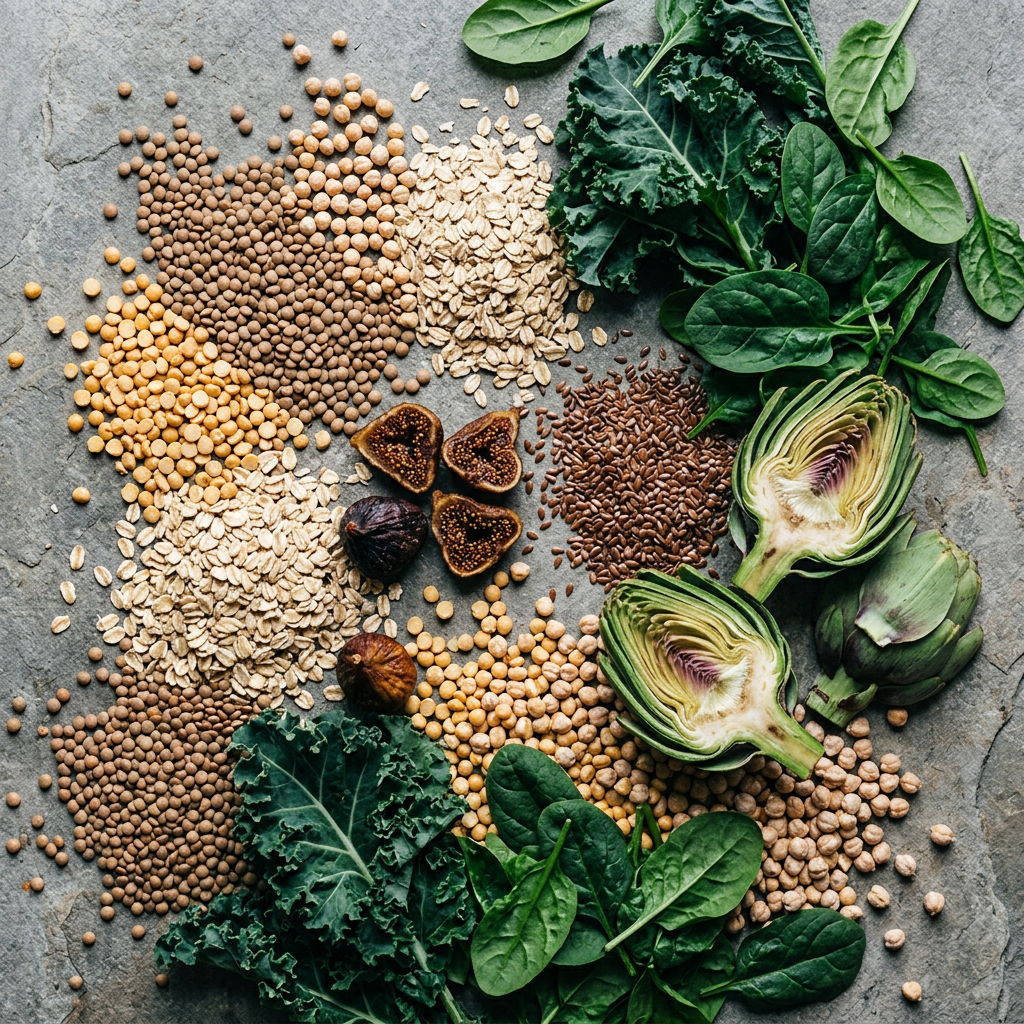
Whole grains (oats, quinoa), vegetables (broccoli, spinach), fruits (apples, berries), and legumes (lentils, beans) are good sources.4,6

Do not depend on refined grains and low-fiber processed foods, which can spike blood sugar and contribute to digestive issues.4

Tip: Aim for 25 – 38 grams of fibre daily for optimal digestion.6

doctors


Stay Hydrated… Especially in the GCC Heat

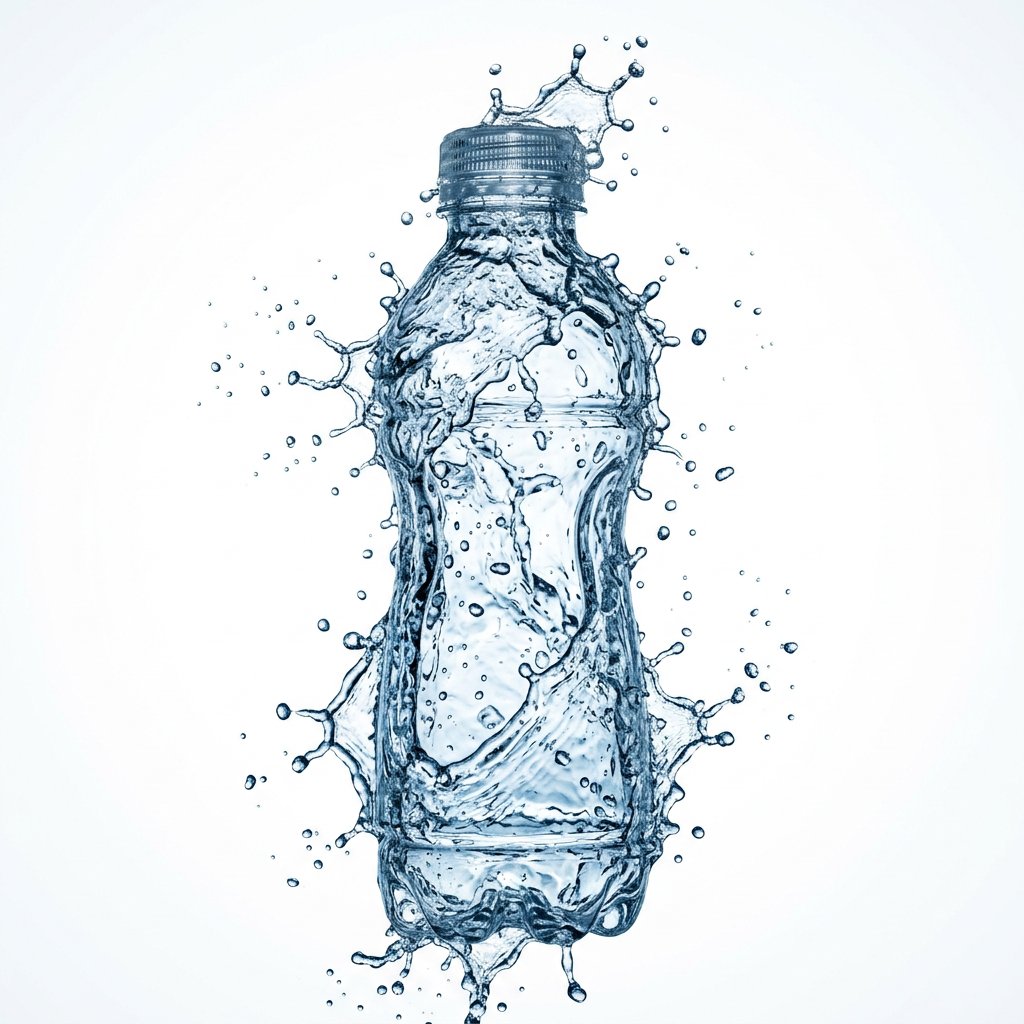
Dehydration is common with reduced appetite, but staying hydrated is key! It supports your metabolism, keeps your digestion running smoothly, and helps you feel energized throughout the day.

sitting-under-umbrella

In the GCC, the scorching heat and dry climate make hydration even more crucial. Without enough water, your body can quickly feel drained, and dehydration can lead to heat-related issues, which are common in this region.

Tip: Separate fluid from your meals and drink 2-3 liters of water daily to stay well-hydrated.5,6,8 Ice coffee does not count!


Utilize the Power of Smaller, More Frequent Meals

sitting-under-umbrella

Instead of 3 big meals, opt for smaller meals taken throughout the day. Smaller meals help control appetite and prevent overeating. It also supports steady energy levels throughout the day.

But don’t be tempted to have lunch twice!

Instead, focus on eating smaller portions 4-6 times a day to maintain energy and avoid the discomfort of large meals.4,5

Tip: Try eating smaller meals every 3-4 hours, with balanced protein, carbs, and healthy fats in each meal.4

Don’t Skip Meals, Seek Balance

sitting-under-umbrella

Skipping meals can lead to overeating later and disrupt your metabolism. Consistency is key for maintaining energy levels and keeping your metabolism active. Regular, balanced meals help keep your blood sugar stable and your hunger in check.

Tip: Keep healthy snacks like nutrient-packed smoothies and protein drinks, nuts, fruits, or yogurt handy for when you feel a bit hungry between meals.4

Don’t forget to speak with your doctor about whether you need additional vitamins or minerals to support your diet and health while on GLP-1 therapy.5,6


GLP-1 medications are a powerful tool, but your success in this journey depends on your daily choices. By making simple, consistent changes to your diet, hydration, and lifestyle, you’re not just losing weight, you’re gaining control of your health and your future.

It’s more than weight loss… it’s control!


References
  1. Zheng, Z., Zong, Y., Ma, Y. et al. Glucagon-like peptide-1 receptor: mechanisms and advances in therapy. Sig Transduct Target Ther 9, 234 (2024). https://doi.org/10.1038/s41392-024-01931-z
  2. Dailey, M. J., & Moran, T. H. (2013). Glucagon-like peptide 1 and appetite. Trends in endocrinology and metabolism: TEM, 24(2), 85–91. https://doi.org/10.1016/j.tem.2012.11.008
  3. WMCHealth. (2025, September 19). Beyond the Ozempic buzz: How GLP-1s actually work. http://www/https://www. wmchealth.org/living-well/beyond-the-ozempic-buzz-how-glp-1s-actually-work
  4. Mozaffarian, D., Agarwal, M., Aggarwal, M., Alexander, L., Apovian, C. M., Bindlish, S., Bonnet, J., Butsch, W. S., Christensen, S., Gianos, E., Gulati, M., Gupta, A., Horn, D., Kane, R. M., Saluja, J., Sannidhi, D., Fatima Cody, S., & Callahan, E. A. (2025). Nutritional Priorities to Support GLP-1 Therapy for Obesity: A Joint Advisory From the American College of Lifestyle Medicine, the American Society for Nutrition, the Obesity Medicine Association, and the Obesity Society. American journal of lifestyle medicine, 15598276251344827. Advance online publication. https://doi.org/10.1177/15598276251344827
  5. Johnson B, Milstead M, Thomas O, McGlasson T, Green L, Kreider R and Jones R (2025) Investigating nutrient intake during use of glucagon-like peptide-1 receptor agonist: a cross-sectional study. Front. Nutr. 12:1566498. doi: 10.3389/fnut.2025.1566498
  6. Johnson, B. V. B., Milstead, M., Kreider, R., & Jones, R. (2025). Dietary supplement considerations during glucagon-like Peptide-1 receptor agonist treatment: A narrative review. Obesity pillars, 16, 100209. https:// doi.org/10.1016/j.obpill.2025.100209
  7. Spreckley, M., Ruggiero, C.F. & Brown, A. Bridging the nutrition guidance gap for GLP-1 receptor agonist therapy assisted weight loss: lessons from bariatric surgery. Int J Obes 50, 265–267 (2026). https://doi. org/10.1038/s41366-025-01952-w
  8. Mehrtash F, Dushay J, Manson JE. I Am Taking a GLP-1 Weight-Loss Medication—What Should I Know? JAMA Intern Med. 2025;185(9):1180. doi:10.1001/jamainternmed.2025.1133
GC26OB00018