Go to the page content

Move More, Achieve More

doctors

How Physical Activity Supports Your GLP-1 Weight Loss Journey

Woman speaking to doctor

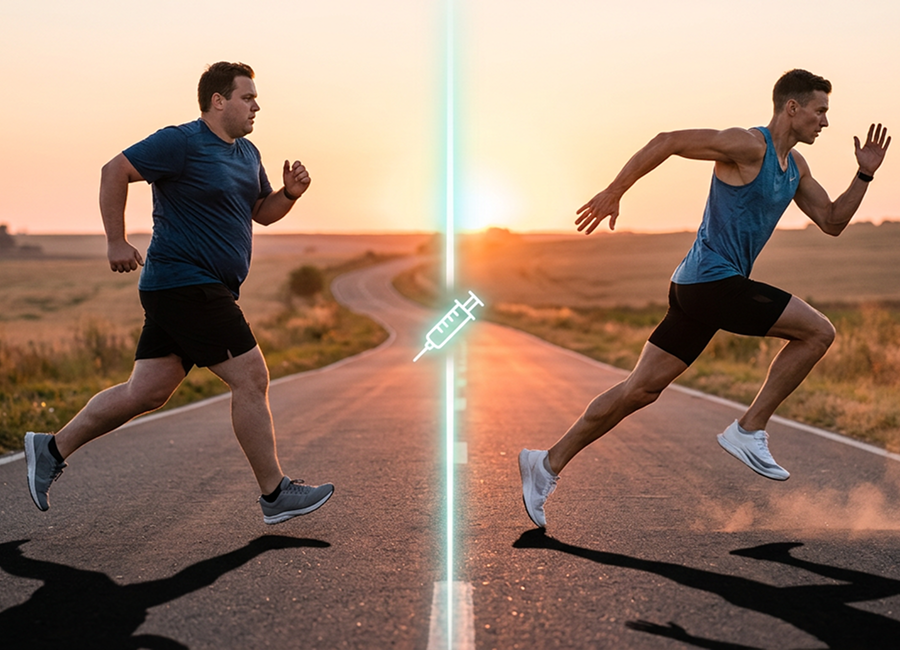
“I started the injection, so I don’t need to exercise anymore.” If this sounds familiar, you’re not alone. Many people believe that once they begin GLP-1 therapy, the medication will do all the work. But here’s what your doctor wants you to know: the medication is only part of the picture. Movement is the other half.

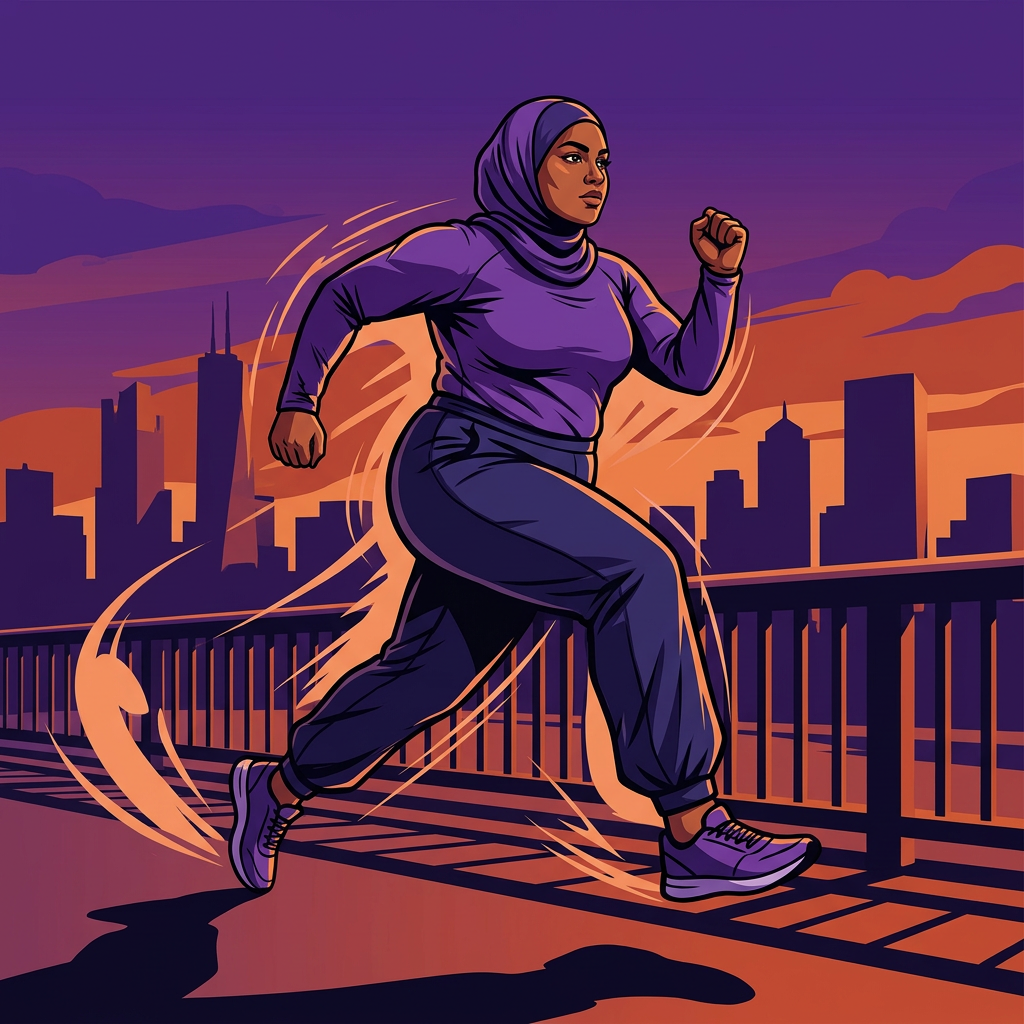
You don’t need to become a gym regular or run a marathon. In fact, some of the best ways to stay active in the Gulf region are activities you may already enjoy like walking in a mall, swimming with the family, or simply taking the stairs instead of the elevator.

sitting-under-umbrella

Why Does Movement Matter When You’re on GLP-1 Therapy?

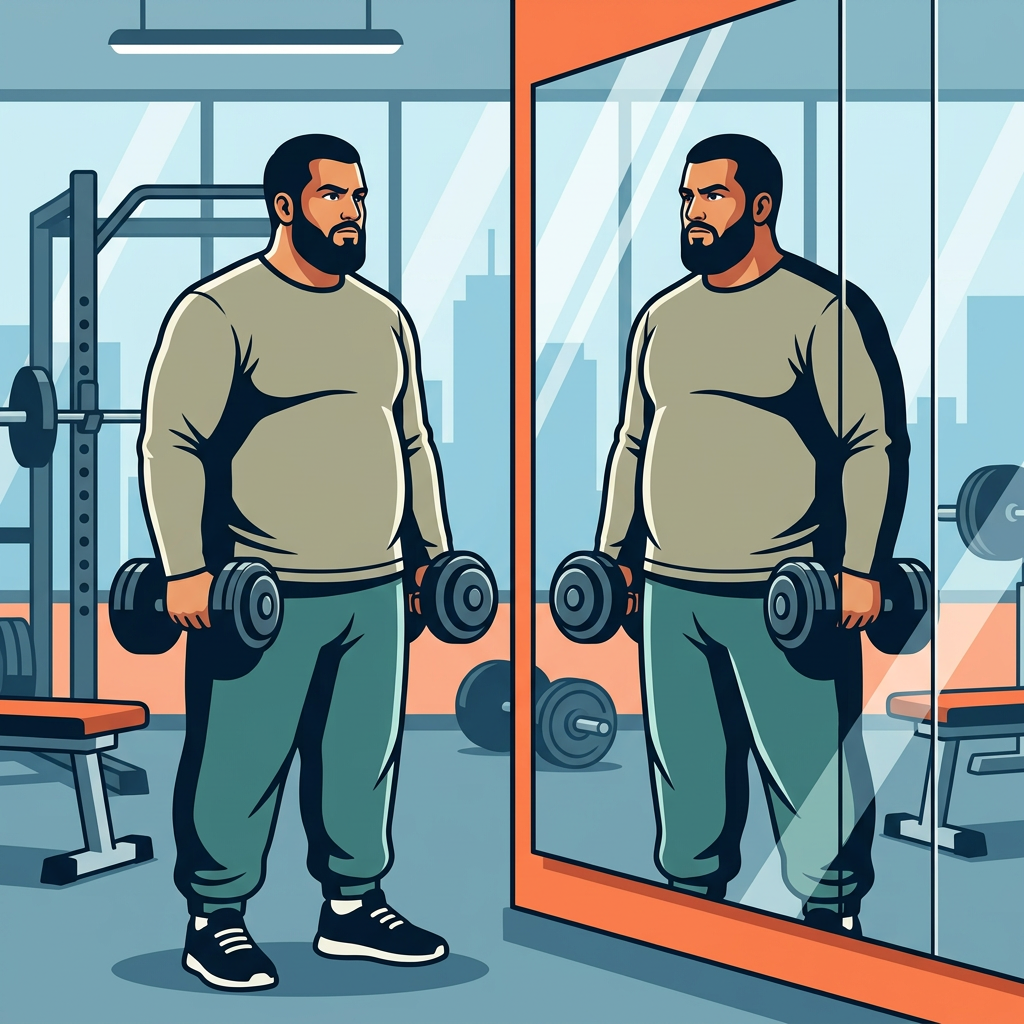
GLP-1 medications are effective at reducing appetite and supporting weight loss. However, combining them with regular physical activity leads to better results: you lose more fat, keep your muscle mass, and keep the weight off for longer.1,2 Without exercise, up to 40% of weight lost may come from lean mass, including muscle.3 This can slow metabolism and reduce strength.4
 

Beyond weight loss, physical activity also offers:

  • Improved cardiovascular fitness and blood pressure control.5
  • Better blood sugar regulation, especially important for people with type 2 diabetes.5
  • Enhanced mood, reduced anxiety, and improved sleep quality.6,7
  • Greater energy and overall quality of life.6

What Type of Exercise Should You Do?

International guidelines recommend a combination of two types of activity:8,9

Type of Activity

What It Includes

Aerobic (cardio) exercise
150 minutes per week
Brisk walking, swimming, cycling, or dancing.
Resistance (strength) training
2–3 sessions per week

Bodyweight exercises (squats, wall push-ups), resistance bands, or light weights at home or the gym.

The key principle is to start slowly and increase gradually. Your doctor will advise you on the safest pace based on your current fitness level, weight, and any other health conditions.

sitting-under-umbrella

Staying Active in the Gulf: Practical Tips That Work

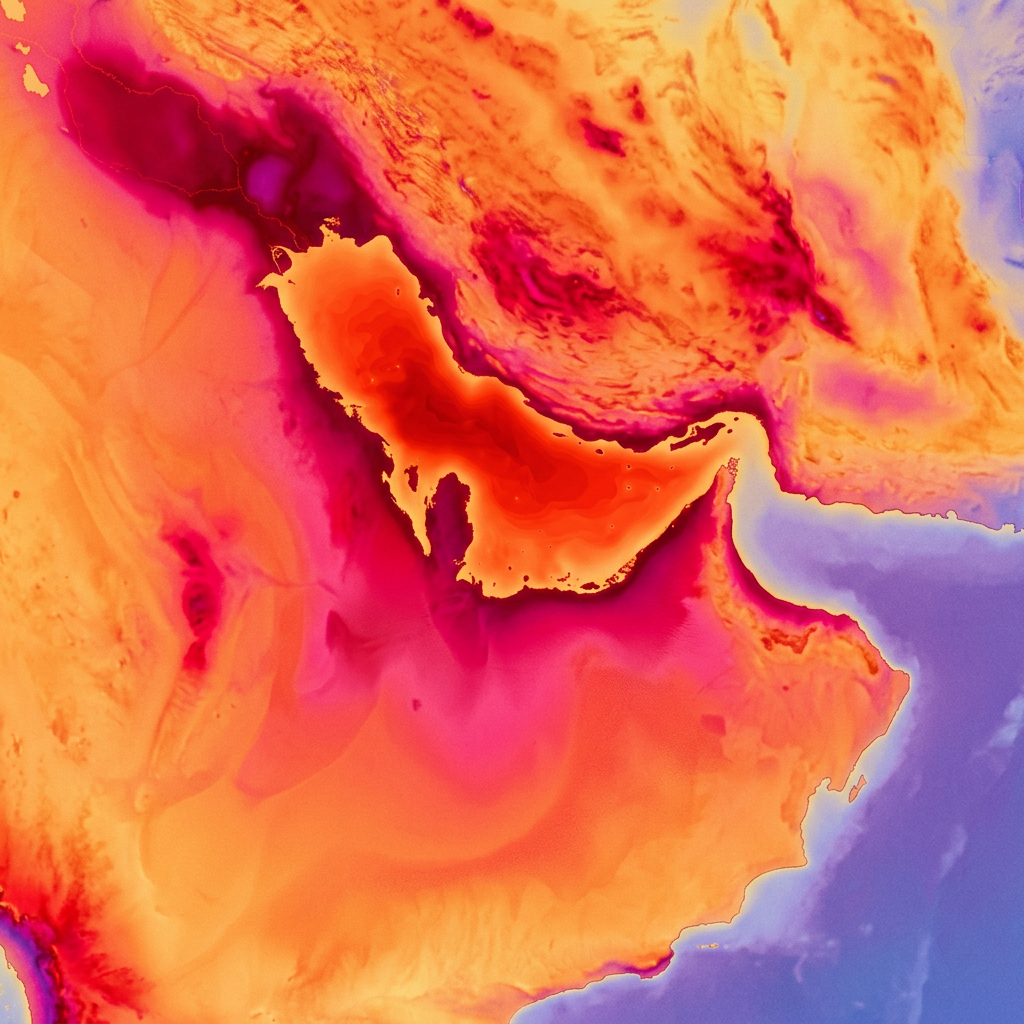
Staying active in the GCC can be challenging. Summer temperatures exceed 45°C, cities are built around cars, and social gatherings often centered around food.10 But being creative with where and when you move makes a real difference.

doctors


sitting-under-umbrella

Here are some ideas that fit the Gulf lifestyle:

  • Walk in air-conditioned malls: “Mallercise” has become popular across the GCC. Dubai’s Mallathon initiative transformed malls into morning fitness tracks walking indoors is practical and enjoyable.
  • Swim: An excellent full-body, low-impact exercise. Many GCC facilities even offer ladies-only sessions and family-friendly pools.
  • Exercise at home: Resistance bands, bodyweight exercises, or online workout videos are convenient, private, and climate- proof.
  • Take the stairs: A simple habit that builds fitness throughout the day.
  • Walk after meals: Even a gentle 10–15-minute walk after lunch or dinner can support digestion and improve blood sugar control.
  • Exercise during cooler hours: Early morning or late evening walks along a corniche, in a park, or around your neighbourhood are ideal during milder months.

Exercising Safely While on GLP-1 Therapy

GLP-1 medications can reduce your appetite and your sense of thirst.11 In the Gulf’s hot climate, this combination can increase the risk of dehydration, especially during physical activity.

sitting-under-umbrella

To stay safe and get the most out of your activity:

  • Stay hydrated drink water regularly, even if you’re not thirsty. Aim for 2–3 litres daily, and more during hot weather or exercise.
  • Time your exercise. Wait at least 1–2 hours after eating to reduce nausea or discomfort.
  • Start low, go slow especially in the first weeks of treatment or after a dose increase.
  • Listen to your body if you feel dizzy or unwell, stop and rest.
  • Consult your doctor before starting any new exercise routine.


It’s Not About Perfection, It’s About Progress

sitting-under-umbrella

You don’t need a fancy gym or an hour-long workout. What matters is consistency. A 20-minute mall walk, a few bodyweight exercises at home, or a family swim; these small habits add up and make a real difference in how you feel and how well your treatment works.

Research shows that people who combine GLP-1 therapy with regular activity maintain better long- term results and are more likely to keep weight off even after stopping medication.2

Your weight loss journey is not a sprint it’s a lifestyle. The best exercise is the one you enjoy and can keep doing. Talk to your doctor to find the right plan for you. Every step counts.

References
  1. Codella, R., et al. (2025). GLP-1 agonists and exercise: the future of lifestyle prioritization. Frontiers in Clinical Diabetes and Healthcare, 6, 1720794. https://doi.org/10.3389/fcdhc.2025.1720794
  2. Jensen, S. B. K., et al. (2024). Healthy weight loss maintenance with exercise, GLP-1 receptor agonist, or both combined followed by one year without treatment. eClinicalMedicine, 69, 102475. https://doi.org/10.1016/j. eclinm.2024.102475
  3. Haines, M. S., et al. (2025). Muscle loss and protein intake during semaglutide therapy. Presented at ENDO 2025, Endocrine Society Annual Meeting.
  4. Gastroenterology Advisor. (2026). Weight training and GLP-1 therapy for optimal weight management. https://www.gastroenterologyadvisor.com/features/weight-training-and-glp-1-therapy-for-optimal- weight-management/
  5. World Health Organization. (2020). WHO Guidelines on Physical Activity and Sedentary Behaviour. Geneva: WHO. https://www.who.int/publications/i/item/9789240015128
  6. Mahindru, A., et al. (2023). Role of physical activity on mental health and well-being: A review. Cureus, 15(1), e33475. https://doi.org/10.7759/cureus.33475
  7. Xie, Y., et al. (2021). Effects of exercise on sleep quality and insomnia in adults: A systematic review and meta-analysis. Frontiers in Psychiatry, 12, 664499. https://doi.org/10.3389/fpsyt.2021.664499
  8. Jakicic, J. M., et al. (2024). Physical activity and excess body weight and adiposity for adults: An American College of Sports Medicine consensus statement. Medicine & Science in Sports & Exercise, 56(7), 1163–1187.
  9. World Health Organization. (2025). WHO guideline on the use of GLP-1 therapies for treating obesity. https://www.who.int/news/item/01-12-2025-who-issues-global-guideline-on-the-use-of-glp-1-medicines-in-treating-obesity
  10. Al-Hazzaa, H. M. (2022). Physical activity research in the Gulf Cooperation Council countries. Journal of Physical Activity and Health, 19(11), 769–772. https://doi.org/10.1123/jpah.2022-0437
  11. Healthline. (2025). GLP-1 drugs linked to dehydration in extreme heat: Experts warn. https://www.healthline. com/health-news/glp-1-drugs-dehydration-extreme-heat
GC26OB00018