
Go to the page content

Scrolling, Sharing… and Misleading?

doctors

The Truth About GLP-1 Weight Loss Trends

waist jeans
injections

"Lost 15 kilos in 2 months without stepping into a gym” How many times have you scrolled past this message? Probably more times than you can count.

Then you scroll to the comments… and find them filled with: “Where can I buy it?” … “What dose did you start with?”

It feels convincing. Almost too easy. Especially when there’s a wedding coming up… a family gathering… or with summer around the corner.

In moments like these, the promise of a “quick fix” doesn’t just sound tempting, it feels like exactly what you need. But here’s the truth no one tells you: What works for a stranger online could land you in the emergency room.

 

mobile checking

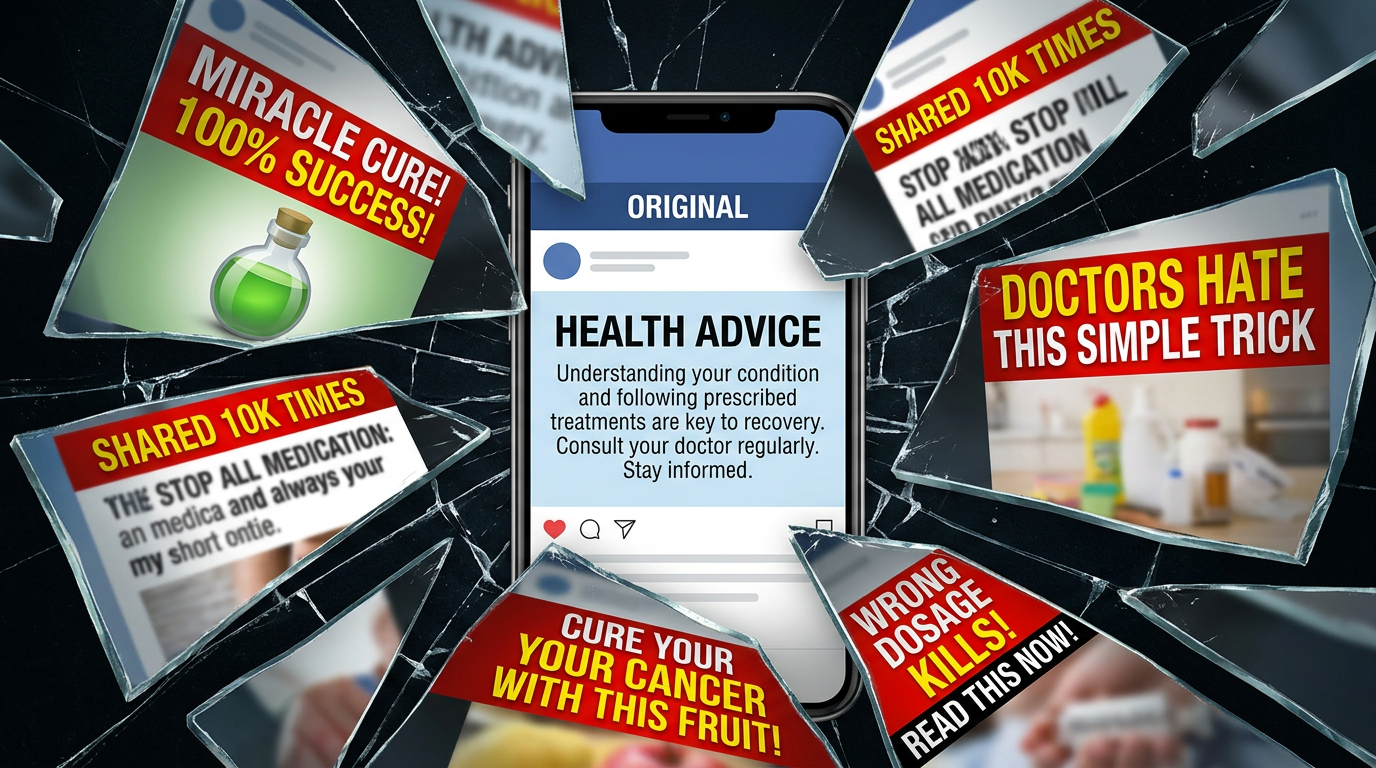
The Rise of "The Magic Injection” Trend on Social Media

Imagine a family majlis on a Friday afternoon, plates of Kabsa had already been passed around and now you’re savouring some Luqaimat with a cup of tea, an aunt mentions she heard about “this magic injection everyone is using”, and another says “it can even be ordered online without a prescription”.

This is where the risk begins.

In fact, more than 57% of people now rely on social media for weight-loss advice instead of healthcare professionals.1 Let’s break down some of the most common misconceptions spreading online:

What You See on Social Media

What You Need to Know

“Anyone can take it for a quick 10-kilo loss.”

Only approved for people with obesity or who
are overweight with a weight-related health problem.2

“You don’t need a prescription, just buy it online.”These medicines should be used under medical supervision, as using them without proper guidance may expose you to significant health risks.
“No side effects if you follow this influencer’s plan.”

Nausea, vomiting, severe constipation, and even pancreatitis are real risks.3,4

“You can stop anytime and keep the weight off.”Most people regain weight when they stop, unless they have built lasting lifestyle habits.⁵

But What Exactly Are These Injections,
in Simple Terms?

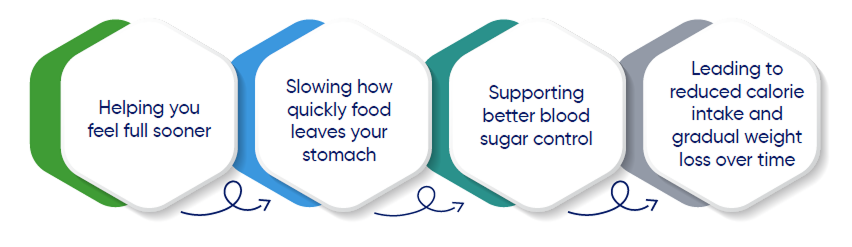
A lot of the “weight-loss” injections you may hear about are GLP-1 medications. They work by mimicking a natural hormone in your body that helps regulate appetite and blood sugar2. They work by6:

helping


But here’s what matters most: They work on your body’s biology - not your willpower - and they are not for everyone. GLP-1 medications are prescribed by doctors for people who meet certain medical criteria, such as:

  • Living with obesity (BMI ≥30 kg/m2) 2
  • Overweight (BMI ≥27 kg/m2) with related conditions like diabetes or high blood pressure2

These are not medications for occasional weight loss before Eid or a vacation. They are part of a long-term medical plan.

Why Misuse Can Be Risky3,4

Like other prescription-medications, taking GLP-1 medications without medical supervision can lead to unwanted side effects, including:

  • Nausea and digestive discomfort
  • Dehydration, which may affect kidney function
  • Gallbladder problems or, in rare cases, pancreatitis
  • Low blood sugar (hypoglycemia), especially if taken incorrectly or in high doses

More importantly, using them without proper evaluation may mean ignoring underlying health conditions. Remember, what works for one person may not be safe for another.

No Quick Fix: Setting Realistic Expectations

Social media often paints us a false image of reality. You may come across multiple posts that show “before and after” photos with incredible transformations “achieved in just two weeks”, but those posts don’t depict the real path towards weight loss.

  • Sustainable, healthy weight loss usually occurs at a pace of 0.5 to 1 kilogram per week.7
  • Many people do not see major changes until 12–18 weeks.8
  • The medication is a tool, not a solution. Without changes to how you eat and move, the weight often returns.

And despite our expectations even with GLP-1 therapy, you cannot eat unlimited kunafa and still expect to lose weight. To achieve optimal results, your doctor will advise you to:

  • Focus on protein and vegetables first (before rice or bread).9
  • Stay active with regular physical activity, such as daily walking, or with indoor exercises during the summer.9
  • Keep hydrated with water, not sugary juices or soft drinks.10

Why Your Doctor - Not an Infiuencer - Must Lead

why your doctor must

Our health and the health of our loved ones should always be a priority. Not seeking professional assistance regarding medications only imposes unnecessary risk. So, before you get influenced by the trend, book an appointment with a doctor. Your doctor can then:

  • Check if GLP-1 is actually safe for you (based on your thyroid, kidneys, and pancreas).
  • Start you on a very low dose to reduce nausea.
  • Monitor you for side effects.
  • Help you plan around travel or other occasions.
  • Taper you off safely when needed.
doctors

We all know that weight loss may sometimes seem like an unachievable dream; however, an influencer has never seen your blood work. They do not know if you have a family history of thyroid cancer (a rare but real contraindication) or any other conditions that may prevent you from taking such medications11. Your health is not a hashtag. Achieving your dream weight goal is attainable when done right. Speak to a physician or a registered dietitian before believing what you see on a screen and always treat your health with the utmost care.

References:


  1. Abualhommos, A. K., et al. (2026). Community awareness of GLP-1 agonists for obesity in Saudi Arabia. Medicine, 105(2), e46957. https://doi.org/10.1097/MD.0000000000046957
  2. Hamed, K., et al. (2024). GLP-1 receptor agonists in diabetes, obesity, and cardiovascular health. Cureus, 16(9), e68390. https://doi.org/10.7759/cureus.68390
  3. Ismaiel, A., et al. (2025). GI adverse events with GLP-1 RAs: Systematic review. International Journal of Obesity. https://doi.org/10.1038/s41366-025-01859-6
  4. MHRA. (2024). GLP-1 receptor agonists: Side effects and misuse risk. https://www.gov.uk/drug-safety-update/glp-1-receptor-agonists-reminder-of-the-potential-side-effects-and-to-be-aware-of-the-potential-for-misuse
  5. Budini, B., et al. (2026). Weight regain after GLP-1 cessation. eClinicalMedicine, 93.
  6. EMA. (2023). Wegovy (semaglutide) EPAR. https://www.ema.europa.eu/en/medicines/human/EPAR/wegovy
  7. NIDDK. (n.d.). Weight management. https://www.niddk.nih.gov/health-information/weight-management
  8. Rejuvime Medical. (n.d.). Weight loss on GLP-1. https://www.rejuvimemedical.com/blog/how-much-weight-can-i-lose-on-a-glp-1
  9. Codella, R., et al. (2025). GLP-1 agonists and exercise. Frontiers in Clinical Diabetes and Healthcare, 6, 1720794. https://doi.org/10.3389/fcdhc.2025.1720794
  10. Gorgojo-Martínez, J. J., et al. (2022). Managing GI adverse events with GLP-1 RAs. Journal of Clinical Medicine, 12(1), 145. https://doi.org/10.3390/jcm12010145
  11. Latif, W., et al. (2026). GLP-1 receptor agonists. In StatPearls. https://www.ncbi.nlm.nih.gov/books/NBK572151/
GC26OB00018